


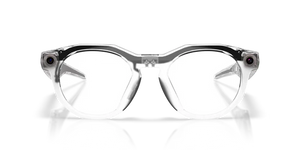


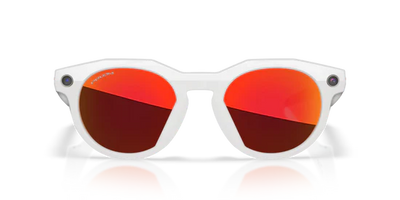
Driving home after sunset can feel quite different from the same journey in daylight. Road signs may seem less crisp, headlights more distracting, and the dashboard harder to read. Before buying a pair labelled “driving glasses”, it helps to work out which part of the task is difficult.
There isn't one best lens for every driver in Ahmedabad. Your prescription, the time you drive, the distances you need to see and your existing glasses all matter. A useful starting point is clear distance vision, with appropriate sun protection for daytime journeys and a clear view after dark.
Start with your vision, not a coating name
If signs have become difficult to read or lights look newly smeared, arrange an eye examination. A changed prescription may contribute, but it isn't the only possibility. Cataracts can also cause glare, halos and difficulty seeing at night, as explained in the NHS guidance on cataracts. You cannot tell the cause simply by comparing two lenses in a shop.
Describe what happens: distant blur, trouble shifting to the dashboard, or discomfort around bright lights. Mention whether it affects one eye or both, when it began, and whether it happens outside the car too. Bring your current spectacles. An assessment can check your vision and prescription, examine eye health and identify whether an ophthalmologist's evaluation is needed.
If vision is too unclear to drive safely, stop driving and arrange alternative transport. Sudden loss of vision or severe eye pain needs immediate medical attention. New double vision, flashes or a dark shadow also need urgent assessment. Do not drive yourself for urgent care. These are warning signs, not a reason to try another coating first.
Clear lenses and anti-reflective coatings for night driving
For someone who needs glasses for distance, an accurate prescription is the foundation. An anti-reflective coating reduces reflections from the spectacle lens surfaces. This may make distracting internal reflections less noticeable without darkening the road in the way a tint does.
It cannot switch off an oncoming headlight or remove every source of glare. The College of Optometrists' night-driving advice supports an up-to-date prescription and considers anti-reflection coatings useful for spectacle wearers. It also cautions against yellow filters.
Our explanation of anti-glare and lens coatings separates reflection control from scratch resistance and other features. When comparing a quotation, ask for the exact coating, lens design and material. “Premium driving lens” on its own doesn't explain what you are buying.
If you are considering a branded coating, the Crizal lens and coating options page explains what to compare. Choose the complete lens for your prescription and needs; the coating name alone does not make it a progressive lens or a special night prescription.
Why yellow night glasses are not a shortcut
A yellow filter can change the colour and apparent brightness of the scene. That change may feel reassuring during a quick demonstration, but it does not establish that pedestrians or dark road edges become easier to see. Tinted lenses remove some incoming light when light is already limited.
Avoid buying yellow glasses on a promise of improved night vision. Clear prescription lenses, where needed, and assessment of new difficulty are more sensible starting points. Sunglasses belong in appropriate daylight conditions, not on the drive home after dark. A blue-filter label is not proof of better night-driving performance either.
Daytime sunglasses: UV protection and glare are separate
For bright daytime travel, check documented UV protection and suitability for driving. A darker appearance alone does not establish UV performance. Polarisation is another feature: it can reduce some reflected glare, but it does not replace the need to verify UV protection.
Read our guide to polarised lenses and UV400 protection if those labels seem interchangeable. For a driver who needs distance correction, prescription sunglasses may be an option. Ordinary non-prescription sunglasses do not supply that correction.
Check the exact lens restrictions before buying. Very dark category 4 sunglasses are unsuitable for driving. The Association of Optometrists' sunglasses guidance explains this distinction. This is lens-suitability guidance, not a statement of Indian licensing rules.
Polarised lenses can also affect the appearance of some displays. While safely parked, check the dashboard and navigation display in your usual viewing position. Do this before relying on the pair for a journey. You can compare our sunglasses collection, then confirm the chosen model's UV specification, prescription options and driving suitability.
Will photochromic lenses darken inside the car?
Photochromic lenses change tint with light conditions, but not all behave alike behind a windscreen. Conventional versions may darken less inside a car than outdoors. Some products are designed to respond differently, so ask about the exact lens rather than assuming every light-changing pair will work as sunglasses in the driver's seat.
Also ask how quickly the lens clears and what driving restrictions apply. A demonstration outside the shop does not answer every question about use inside your vehicle. If your main concern is bright daytime driving, compare the proposed photochromic product with a dedicated prescription sunglass option.
Distance, dashboard and progressive lenses
Single-vision distance lenses correct one viewing distance. They may suit someone whose dashboard remains comfortably clear, but a person who also needs near or intermediate support may need a different discussion. Reading glasses and office lenses are not substitutes for distance-driving glasses.
Progressive lenses provide distance, intermediate and near zones. Their fitting and design affect where you look through the lens. Our guide to progressive lens design and adaptation explains the basic arrangement. A driving-focused design may prioritise particular viewing zones, but ask what changes compared with your current lenses and whether it fits your other daily tasks.
For example, a driver may see distant signs well but struggle with the instrument panel. Simply choosing stronger distance glasses is not the answer to that description. Tell the optician about both distances. Check the new pair in familiar surroundings before driving, and return for assessment if blur, distortion or an awkward head position persists.
Small practical checks before replacing your lenses
Clean spectacles and the windscreen, including its inside surface, before judging a new glare problem. Smears and scratches can interfere with the view. Have damaged lenses inspected; a coating cannot repair a scratched lens surface. Follow the lens supplier's cleaning advice rather than rubbing dry dust across the lenses.
Check that the frame stays in position. A slipping pair is particularly unhelpful when you rely on different progressive viewing zones. Bring the glasses for a fitting check rather than bending the frame yourself.
At the consultation, explain your usual journeys and the specific difficulty. Ask which benefit each proposed upgrade addresses, its limitations, total cost and aftercare terms. A clear explanation matters more than a long list of impressive-sounding features.
Frequently asked questions
Do I need expensive specialist driving lenses?
Not automatically. Start with your prescription, eye health, current lenses and the task that is difficult. Ask what a specialist design changes for you compared with a suitable everyday lens. No lens should be sold as a guarantee against glare or accidents.
Can I wear the same glasses during the day and at night?
Clear prescription glasses may serve both, depending on your needs. Bright daylight may call for a separate suitable sun option. If choosing photochromic lenses, confirm their behaviour in the car and night-use restrictions for the exact product. Do not assume one label covers every condition.
Will anti-glare lenses cure halos around headlights?
They can reduce reflections from spectacle surfaces, but halos may have other causes. New or worsening halos deserve an examination, especially if vision has changed. Pain or sudden symptoms need urgent assessment. A shop demonstration cannot rule out an eye condition.
What should I bring when discussing driving glasses?
Bring your current spectacles, prescription if available, and details of when the difficulty occurs. Explain whether signs, mirrors or the dashboard are troublesome. If you have a lens quotation, bring the full specification so the comparison covers design, material and coating rather than price alone.
Related reading
Continue with what lens coatings actually do, how progressive lenses work or choosing UV protection and polarisation.
Educational guidance reviewed against the linked sources on 27 October 2026. Urgent symptom guidance: NHS vision loss advice. Individual recommendations require a professional assessment.


 Hey! 10% OFF auto-applied